
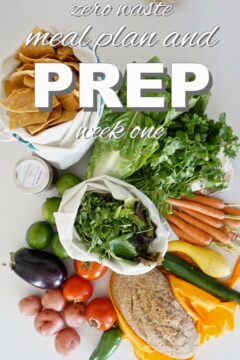
As I said above, I don’t cook a different meal every night. So, my weekly meals will look more like the menu below. Looking ahead, our future plans encompass a strategic timeline aimed at achieving key milestones to propel the growth and expansion of Green Gourmet Grub. This includes further refining our menu options, streamlining our container return process, and actively securing funding opportunities to support our expansion efforts. Additionally, we will maintain our commitment to sustainability and customer satisfaction, continuously adapting our operations based on user feedback and market demands.
We have developed a reusable packaging solution that checks out on the simple math. It helps us keep current profitability and allows us to be more profitable while our customers receive an even better experience. When becoming a more sustainable business is shown to be more profitable, the pursuit of sustainability gets the attention it needs and deserves.
Zero-waste meal planning can help save the environment
Creating your meal plan around kitchen scraps allows you to reddit maximize every ingredient while minimizing waste. Start by identifying what scraps you consistently have on hand, such as vegetable peels, tops, or stale bread. From this, brainstorm dishes that can seamlessly incorporate these items. For instance, you might use onion skins to flavor stocks, and broccoli stems can become slaws or stir-fries. By outlining a weekly meal plan that highlights these ingredients, you can take full advantage of what you’d usually discard. For inspiration on transforming leftover vegetable scraps into delicious broths and sauces, check out our Vegan kitchen leftovers Recipes.
Techniques such as chopping vegetables in one session or cooking grains like rice or quinoa all at once streamline your prep process. Using seasonal and locally-sourced ingredients in your meal planning reduces environmental impact. Take advantage of what’s in season and try new recipes that highlight the season’s best produce. By following these tips, you can reduce your environmental impact, save money, and create a more sustainable meal prep routine.
Engaging the Community in Zero-Waste Initiatives
Wash carrot greens thoroughly, pulse in a blender with garlic, nuts (optional), olive oil, lemon juice, and a pinch of salt to create a verdant sauce. Roast chopped carrots, parsnips, and beets tossed with oil, salt, and pepper until caramelized. The pesto doubles as a pasta sauce, a spread for sandwiches, or a dollop on grain bowls, while the roasted roots serve as hearty sides or salad toppings. Batch cooking is a great way to prepare simple meals. By cooking large quantities of a single ingredient, such as rice, beans, or grains, you can use them as a base for multiple meals throughout the week.
the most expensive food; is food uneaten:
- With no plan on how to use these items, you may end up not using them all, leading to a waste of food, money, and resources.
- We can unequivocally boast that distinction now (after all, we are the only meal kit to be a Certified B Corporation as of writing), but we’re still seeking ways of being better.
- Fresh fruits, vegetables, beans, legumes, whole grains, and protein-rich nuts and seeds are all great options.
- It’s so easy to think we’re too busy to make dinner for our family and that it’s easier to make something processed or order take-out.
- Making small changes in your meal prep routine can have a big impact on the environment.
- When Tuesday night rolls around, that pot goes back on to the stove to be heated up for dinner.
Collaborating with local businesses can also foster a community-focused approach to sustainability. Embrace sustainable beauty practices by choosing products with minimal or recyclable packaging. Homemade skincare recipes can also offer a zero-waste alternative while being gentle on your skin. Additionally, prioritize local and seasonal products, which often come with less packaging and a smaller carbon footprint. Visit farmers markets or join a CSA program to get fresh produce while supporting local agriculture.
Zero-Waste Vegan Meal Prep Tips
You can put all the food fragments in a compost bin which breaks them down as nutrients you can add to the soil. If you have a garden at home, you can easily compost the food fragments and add them as nutrients to your garden plants. For example, you want to store your pantries in an airtight jar. Fruits like oranges and apples should be stored in low-humidity drawers in your fridge. Also, while in season, preserving food for later all helps cut down on waste.
Eco-Friendly Gardening: The Art of Recycling Plant Pots and Planters
Put any leftovers from your grain bowls in a food processor and process until smooth, or finely chop veggies and mix by hand. Add egg or mashed black beans to hold the mass together and add some chopped walnuts (optional). Form into patties and bake on a well-oiled cookie sheet with sesame seeds on top at 350 degrees about 20 minutes or until firm. Sautee half an onion, stir fry some vegetables and greens you picked up zero waste. Serve with toast and squeeze an orange into a glass for yourself as a treat.
Reducing waste decreases pollution, conserves resources, and fosters a more sustainable planet for future generations. Community involvement can amplify the impact of individual zero-waste efforts. Engage with local organizations that promote sustainability and https://www.eatright.org/food/planning/food-security-and-sustainability/sustainable-eating participate in clean-up events or workshops.
Storage, Reuse, and Composting Best Practices
I have sprinkled seven menus here and there on this site and today have compiled them into a single post. As I added more recipes to my blog, I changed the menus around a bit (including the order). It’s the simple, sustainable math to ensuring our planet survives.
join the community
By being mindful of portion sizes, you can avoid wasting food. Once you have cooked the food, make sure to label it with the name of the dish and the date you cooked it. Panzanella takes day-old bread and turns it into croutons, then adds veggies and a vinaigrette to soften the mixture up.
Rice and Daal
Meal prepping is an excellent place to start, and it’s easier than ever with zero-waste meal prep. A thoughtful plan is the backbone of successful batch cooking. By mapping out your week’s meals, you ensure balanced nutrition, variety, and full utilization of each ingredient.
My Favorite Recipes and Tips for Beginners
But when you set out to innovate a product with business growth and margins in mind, it’s a business’s profits that ultimately drive its continued existence. Unfortunately, profits are not the same fuel required to drive the continued existence of our planet. Don’t forget your reusable grocery bags, your reusable produce bags or pillowcases + any other zero-waste shopping essentials before you head out. My husband takes either leftovers or a sandwich for lunch, so I always make sure I have sliced cheese + bread on the shopping list, too. Pasta, rice, lentils + beans are often found in supermarket bulk bins. Highlight these items by making them the center of your dinners instead of meat or fish.
Zero-waste meal planning mixes traditional meal prep with waste reduction. It means planning meals well, using ingredients wisely, and getting creative with leftovers. There are three levels of zero-waste meal planning, each for different lifestyles and schedules3. By planning meals carefully and using all ingredients, you throw away less food. Store leafy greens in sealed containers with a paper towel to absorb moisture. Place herbs upright in a small jar of water, covered with a loose bag.
Conceived by three friends in 2015, Fresh Prep always had the goal of becoming the most sustainable meal kit on the market. We can unequivocally boast that distinction now (after all, we are the only meal kit to be a Certified B Corporation as of writing), but we’re still seeking ways of being better. As an early holiday gift to both our customers and to the planet, we’re rolling out our new reusable meal kit to a select bunch of customers. Even in the vegan world, many processed products come in plastic-heavy packaging.