

Step-by-Step Guide to Opening a Forex Trading Account
Are you interested in diving into the world of forex trading? Opening a forex trading account is your first step towards engaging in the exciting market of trading currencies. This guide will take you through the entire process, ensuring you have all the essential information to make an informed decision. If you’re not sure where to start, consider checking out forex trading account opening Thai Trading Platforms to understand your options and get expert insights.
Understanding the Forex Market
The foreign exchange (forex) market is the largest financial market globally, with a daily trading volume exceeding $6 trillion. Unlike stock markets that operate within fixed hours, the forex market runs 24 hours a day, five days a week, allowing traders from all over the world to participate at any time. This market operates through a network of banks, brokers, and financial institutions, facilitating the exchange of currencies. Understanding how this market functions is crucial for anyone looking to trade effectively.
Choosing a Forex Broker
The first step in opening a forex trading account is choosing a reliable broker. Here are a few factors to consider when selecting a broker:
- Regulation: Ensure the broker is regulated by a reputable financial authority, such as the FCA in the UK, the SEC in the USA, or ASIC in Australia.
- Trading Platform: Look for a user-friendly and robust trading platform that supports various trading tools and offers real-time analysis.
- Spreads and Commissions: Compare the spreads and commissions across different brokers to find the most cost-effective option for your trading style.
- Customer Support: Good customer service is essential, especially when you encounter issues or have questions about your account.
Preparing to Open an Account
Before you can open a forex trading account, you’ll need to prepare the necessary documents and information. Here’s what you generally need:
- Identification Proof: A government-issued ID (passport or driver’s license).
- Proof of Address: A utility bill or bank statement showing your name and address.
- Financial Information: Some brokers may require you to provide details about your financial background and trading experience.
- Email and Phone Number: A valid email address and phone number for account verification and communication purposes.
Opening Your Forex Trading Account
Once you’ve selected a broker and gathered the necessary documents, the next step is to fill out the application form. Here is a step-by-step breakdown of the process:
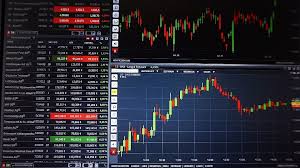
- Complete the Application Form: On the broker’s website, find the option to open a new account and fill out the form with your personal details. This usually includes your name, address, date of birth, and financial information.
- Submit Your Documents: After filling out the application form, you will likely need to upload the identification and proof of address documents for verification.
- Account Verification: The broker will verify your documents, which may take anywhere from a few minutes to several days. Once verified, you’ll receive a confirmation email.
- Fund Your Account: After verification, you can fund your trading account. Most brokers offer various funding methods, such as bank transfers, credit/debit cards, or e-wallets. Choose the method that best suits you.
- Start Trading: With your account funded, you can start trading on the forex market. Most brokers provide a demo account to practice your skills before risking real money.
Choosing Your Trading Account Type
Forex brokers typically offer several types of trading accounts to cater to different levels of traders. Here are the most common types:
- Standard Account: This is the most common type of trading account, suitable for experienced traders who can handle higher margins.
- Mini Account: A mini account allows traders to deal with smaller trade sizes, making it ideal for beginners who want to start trading with reduced risk.
- Managed Account: For those who prefer a hands-off approach, a managed account lets professional traders handle investments on your behalf.
- Islamic Account: Also known as a swap-free account, this type is designed for traders who follow Islamic finance principles.
Understanding Leverage and Margin
One of the key elements of forex trading is leverage, which allows traders to control larger positions with a smaller amount of capital. For instance, with a leverage of 100:1, you can control a $100,000 position with just $1,000. However, while leverage can amplify profits, it also increases potential losses, so it’s critical to use it wisely. Understanding margin requirements is essential, as it determines the amount of money you need to maintain your open positions.
Risk Management Strategies
Effective risk management is crucial in forex trading. Here are a few strategies to help protect your capital:
- Set Stop-Loss Orders: Stop-loss orders automatically close a position at a predetermined loss level to limit potential losses.
- Diversify Your Portfolio: Avoid putting all your capital in one trade; diversify across different currency pairs to reduce risk.
- Use Risk-to-Reward Ratios: Ensure that potential rewards outweigh potential risks before entering a trade, aiming for a minimum ratio of 1:2.
- Stay Informed: Keep up with market news and economic indicators that can impact currency movements.
Final Thoughts
Opening a forex trading account is an exciting step towards engaging in one of the most dynamic financial markets in the world. By following the steps outlined above, you can set yourself up for success. Always continue to educate yourself about market trends, trading strategies, and risk management techniques to improve your trading skills. Remember, successful trading requires patience, discipline, and a commitment to continual learning.
Happy trading!